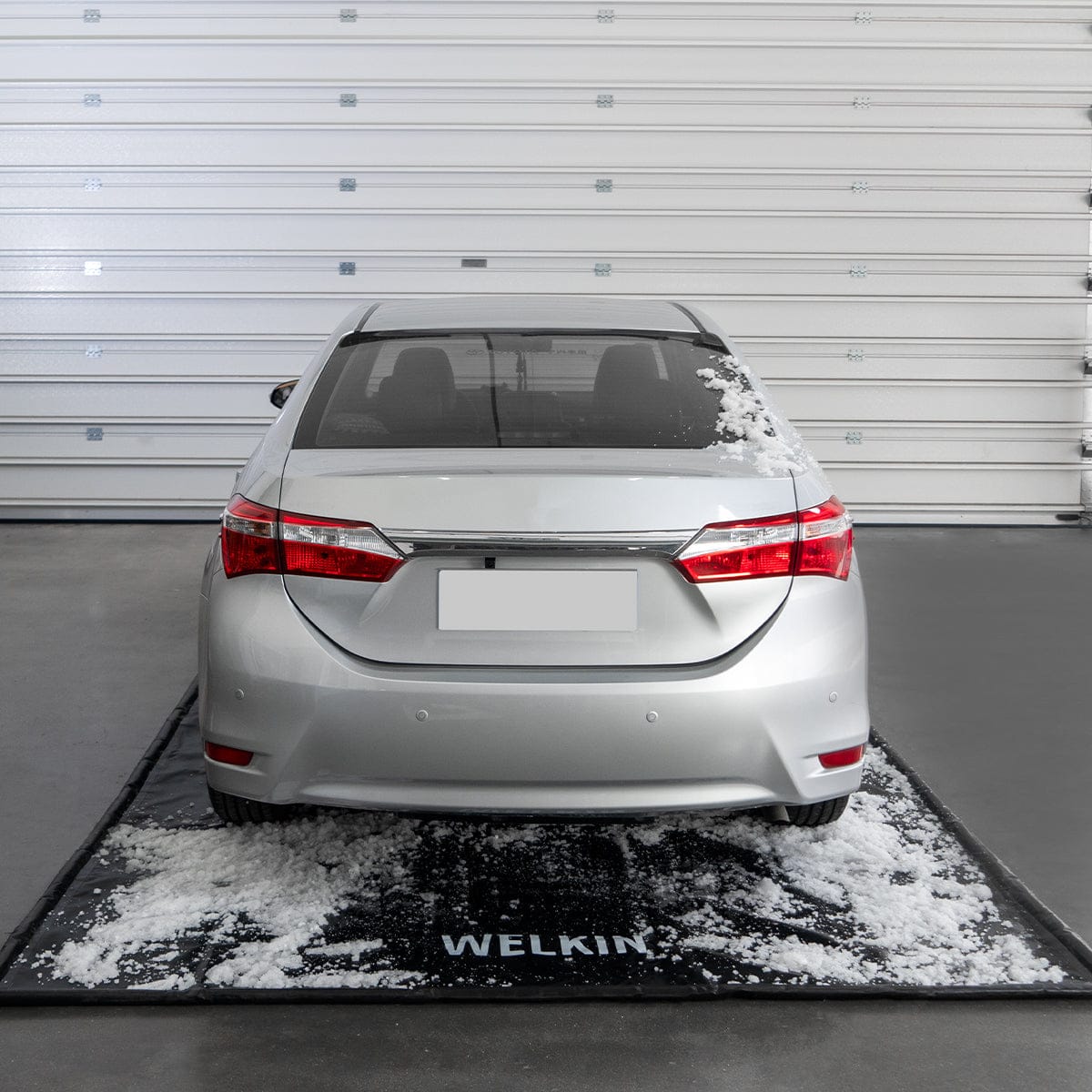


The damp conditions brought on by rain and snow can create a breeding ground for mold and mildew, posing a risk to your vehicle and the overall garage environment.
The harsh conditions of winter—specifically the continuous threat of corrosive road salt and heavy snowmelt—are the single biggest destroyer of concrete garage floors. This constant moisture, mixed with corrosive salt, can create a breeding ground for mold and mildew while causing irreparable rust damage to your vehicle's undercarriage and electrical systems. If you are searching for "how to keep garage floor dry in winter", you've come to the right place.
High humidity can lead to mold and mildew growth, damaging your belongings and posing health risks. Vehicles parked in humid environments are vulnerable to rust and electrical issues. Wooden structures and metal parts in your garage are also susceptible to damage from moisture.
To protect your car and belongings, it's crucial to maintain a dry garage. This article will guide you on how to keep your garage dry during cold and wet seasons to extend the lifespan of your items.
Top 5 Tips: How to Keep Your Garage Dry
1. Garage Wall & Foundation Maintenance
Begin by carefully inspecting your garage for cracks in the walls, floor, and ceiling. Seal these cracks with a high-quality sealant to prevent moisture from seeping in. To further enhance protection, apply waterproof coating to both the walls and floor.
Regularly inspect the seals on your garage doors and windows. Replace any damaged or deteriorating seals to ensure a tight fit and prevent moisture infiltration.
2. Eliminating Moisture Sources with Containment
Controlling moisture levels is essential for maintaining a healthy garage environment. Before parking your vehicle, take the time to brush off excess snow and ice.
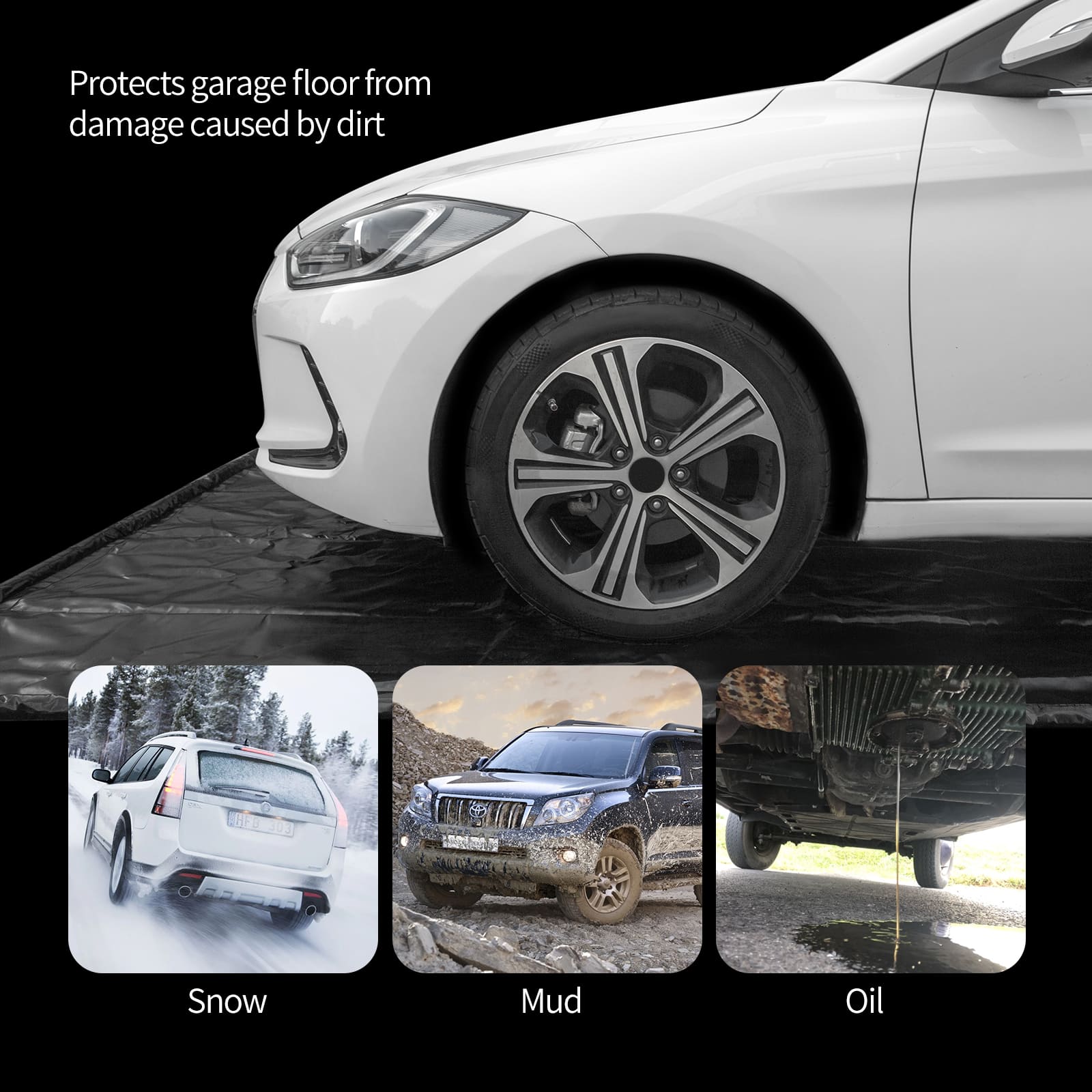
Additionally, using a dedicated Heavy-Duty Garage Containment Mat is the most effective way to eliminate moisture buildup on the floor. Unlike thin mats, the WELKIN Heavy-Duty Mat is specifically engineered with a 1.18" raised edge to trap corrosive road salt and over 64 gallons of snowmelt. This completely prevents these chemicals from eroding your expensive concrete floor. Regular cleaning or replacement of the mat is crucial to its effectiveness. (Click here to see how WELKIN protects your garage this winter)
3. Improve Ventilation
Good ventilation is essential for maintaining a healthy garage environment. Opening doors and windows during dry weather can significantly reduce humidity levels. For garages with limited natural ventilation, installing exhaust fans or vents can help remove moisture and prevent mold and mildew growth.
4. Using a Dehumidifier
A dehumidifier is a powerful tool for controlling garage humidity. By removing excess moisture from the air, dehumidifiers can help prevent mold, mildew, and rust. Choose a dehumidifier that is the right size for your garage and adjust its settings accordingly.
While dehumidifying agents can also help, they may not be as effective as a dehumidifier.
5. Maintaining Your Garage Door
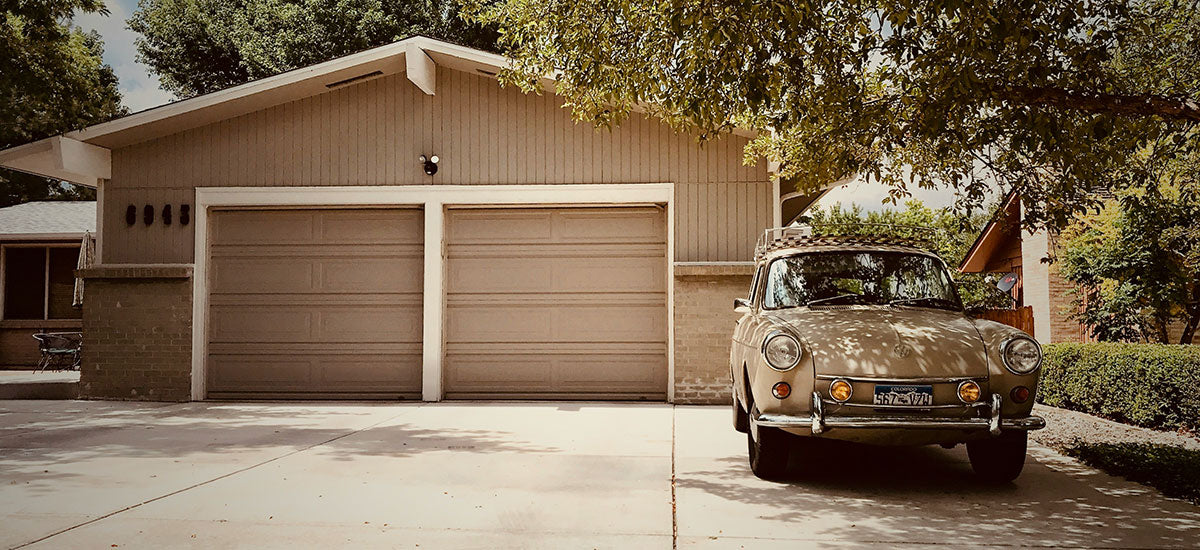
Regular maintenance of your garage door is essential to prevent water damage and ensure smooth operation. Inspect and replace worn seals to keep moisture out. Adjust the track and lubricate the moving parts to ensure your garage door closes securely and operates smoothly.
Key Tips for a Dry Garage:
- Declutter: Excessive clutter can hinder air circulation and trap moisture. Keep your garage organized and free of unnecessary items.
- Regular Cleaning: Clean your garage regularly to remove dirt, debris, and any standing water. A clean garage is less prone to moisture buildup.
- Moisture-Resistant Materials: Choose building materials with moisture-resistant properties, such as ceramic tiles and waterproof coatings.
- Climate-Specific Solutions: For winter climates (especially in the Northern US), the single most important step is to use a large, heavy-duty containment mat to handle snowmelt and salt.
- Professional Expertise: If you have specific concerns or need expert advice, consult a professional renovator or repair person.
A dry garage is a healthy garage. By keeping your garage dry, you can protect your belongings, prevent mold and mildew growth, and create a comfortable space for your car.







Leave a comment
All comments are moderated before being published.
This site is protected by hCaptcha and the hCaptcha Privacy Policy and Terms of Service apply.